Sarah Sebo

Assistant Professor · University of Kansas · EECS
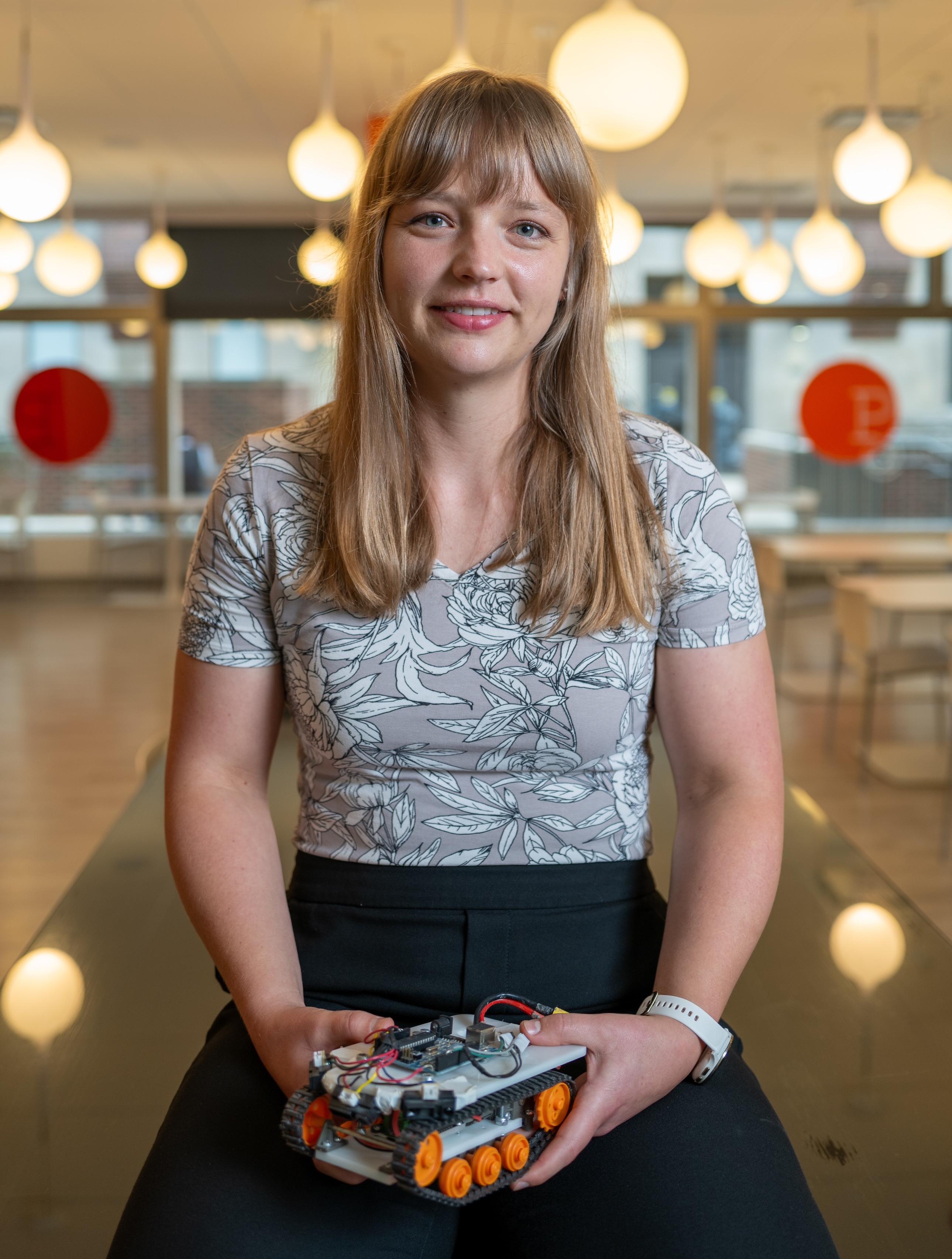
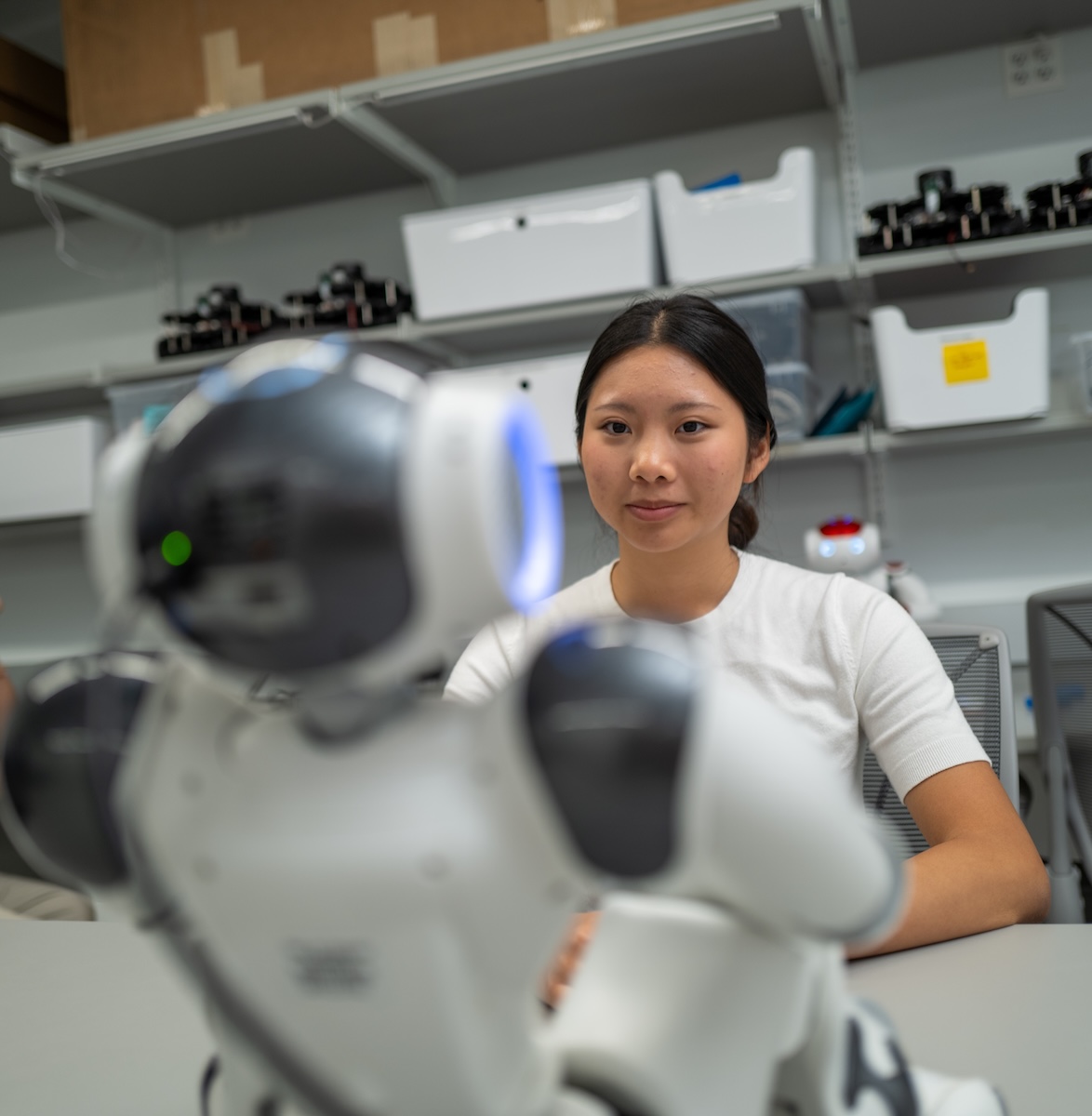
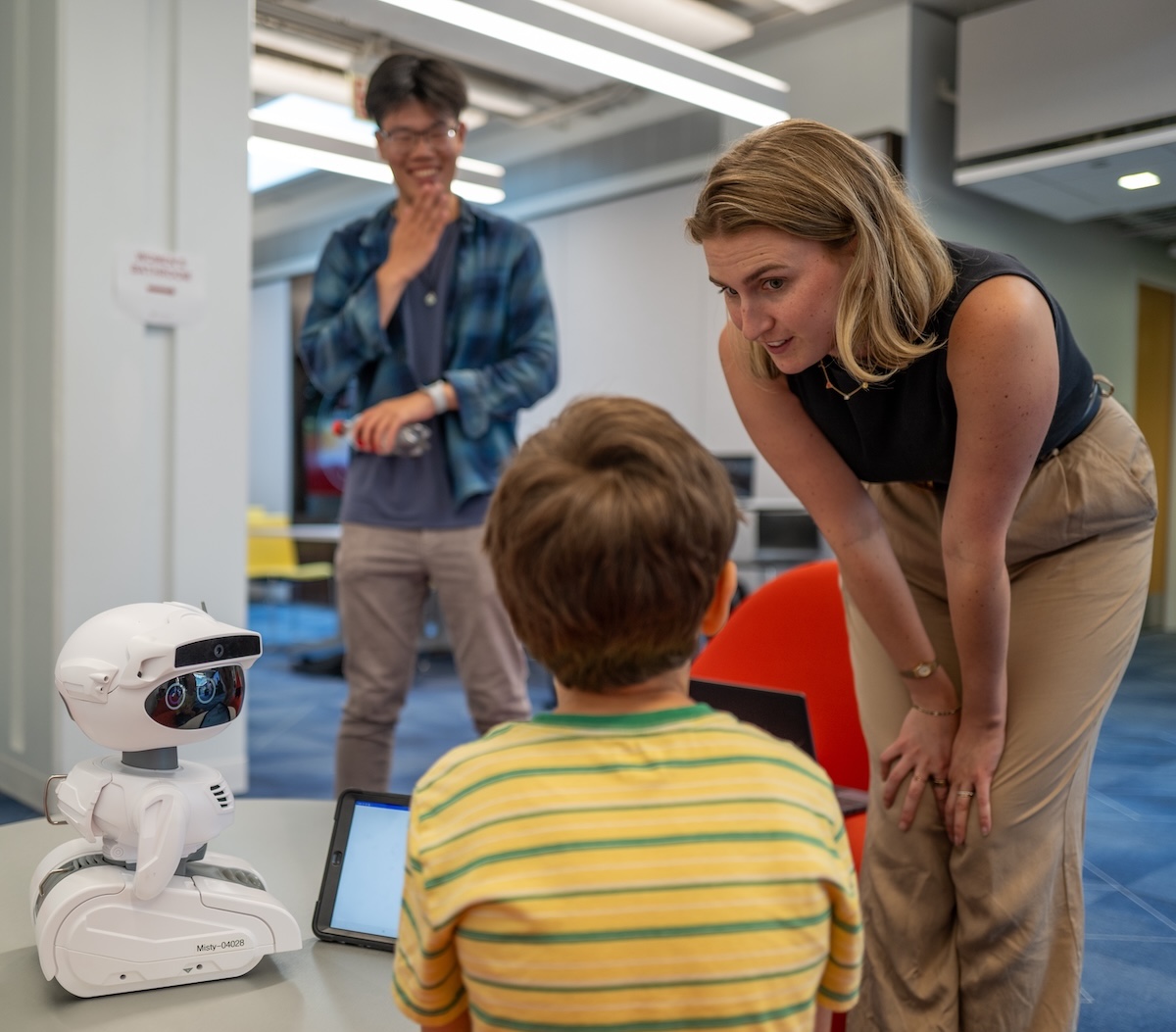
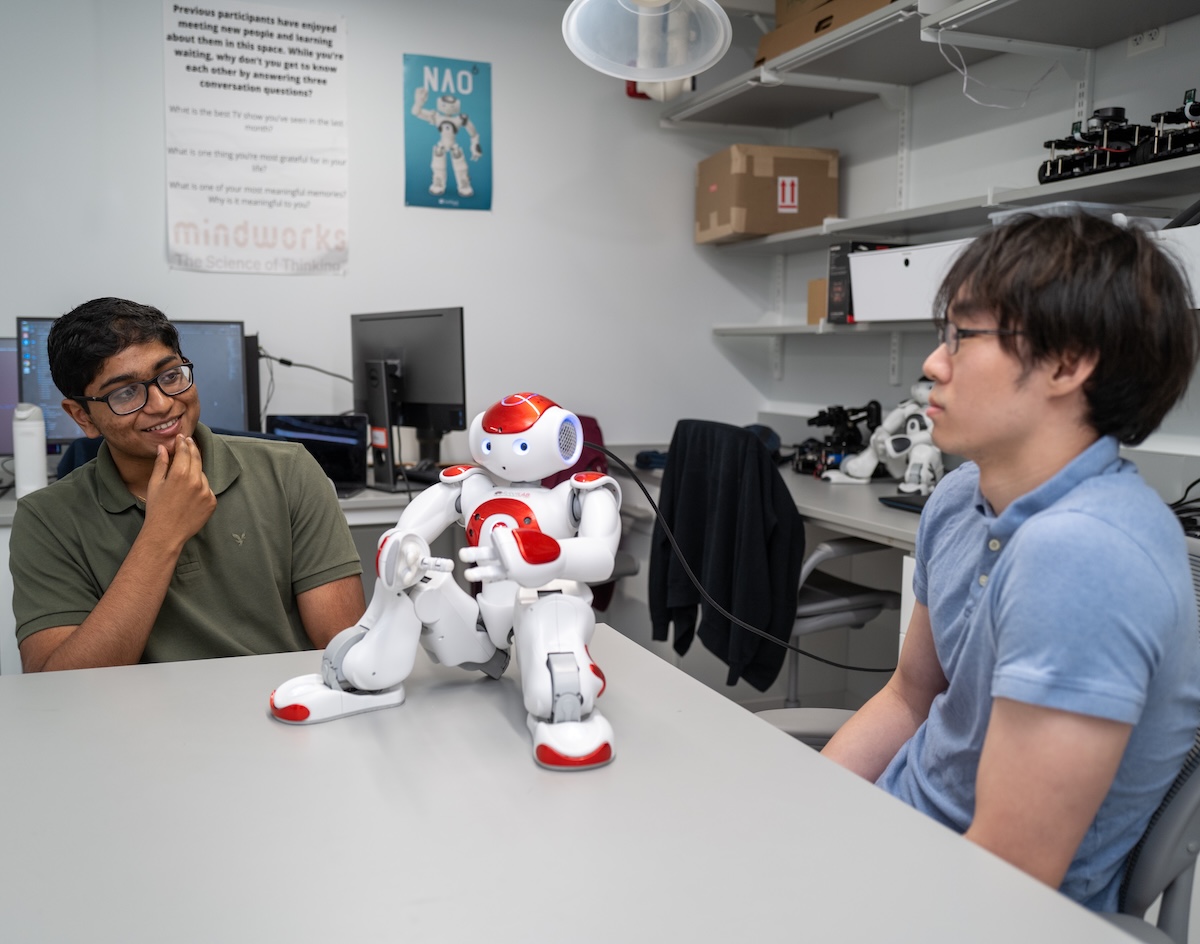
I am an Assistant Professor of Electrical Engineering and Computer Science at the University of Kansas where I direct the Human-Robot Interaction (HRI) Lab. My research explores social dynamics in human-robot interactions. I explore how a robot's social behavior can be designed to best help people in the places they live, learn, and work — tutoring children at school, assisting around the home, and supporting teams in making decisions.

Sarah Sebo

Joining My Lab

I am actively recruiting motivated undergraduate, master's, and PhD students to join my lab. Click here for more information on how to apply and don't hesitate to reach out to me at sarah.sebo@ku.edu.

Research

Research Directions

Building Positive Human-Robot Relationships

Building Positive Human-Robot Relationships

Studying robot behaviors that can build rapport and connections with people to improve interaction outcomes

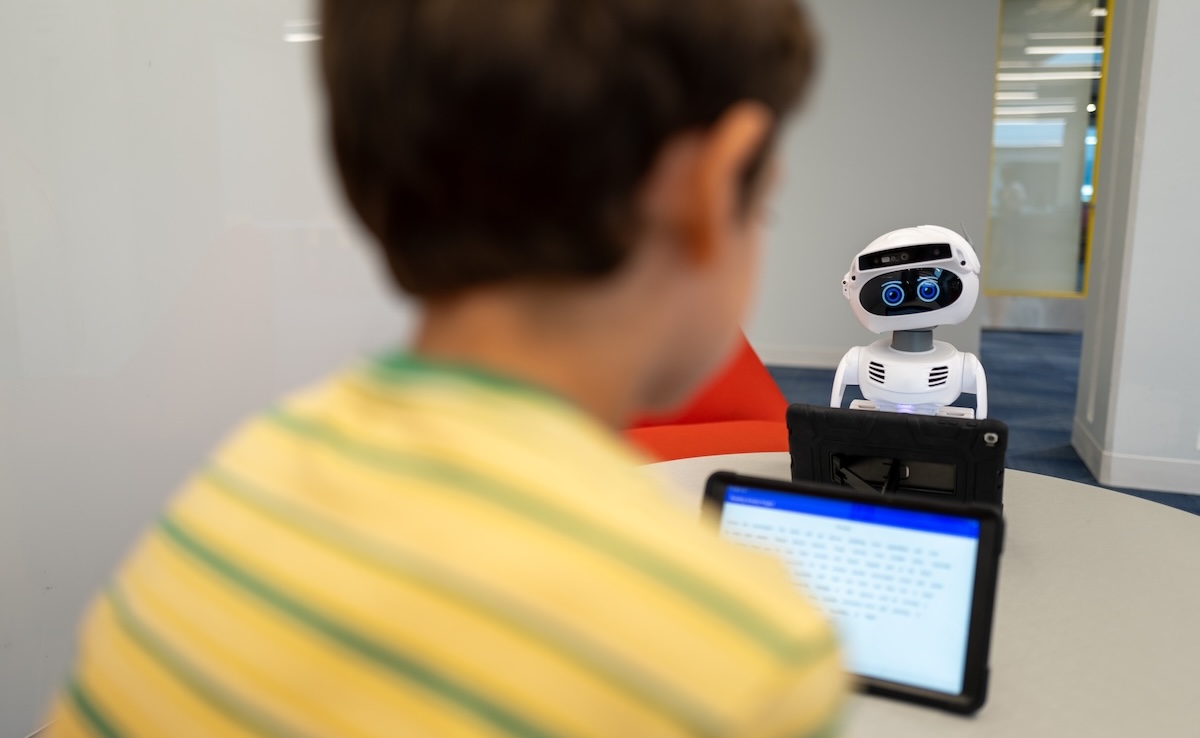
Robots for Education

Robots for Education

Exploring how robots can leverage social behavior and create low-judgment spaces to support student learning

Robots and Group Dynamics

Robots and Group Dynamics

Investigating how robots can influence and enhance human-human interactions and team performance

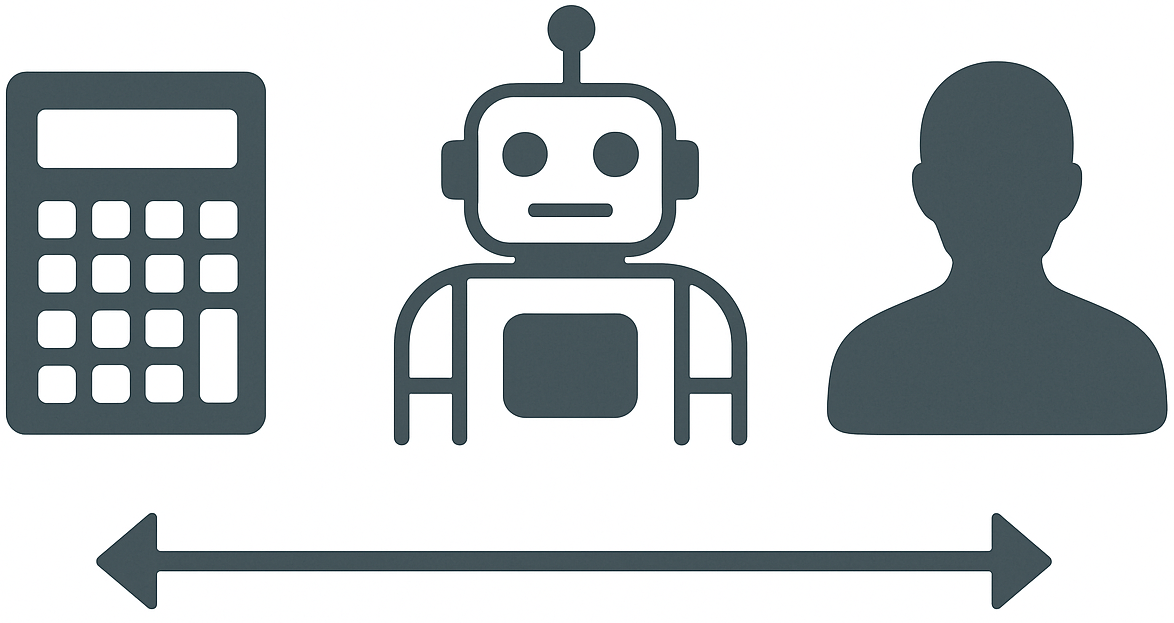
Robot Autonomy and Social Agency

Robot Autonomy and Social Agency

Examining why people perceive a robot as a social agent versus a machine and how these perceptions affect H-R interactions

Featured Video

Highlighted Publications

A full list of my publications can be found on Google Scholar. Here are some selected recent highlights:

HRI 2026 Lauren L. Wright, Kaitlyn Li, Hewitt Watkins, Kiljoong Kim, and Sarah Sebo. Fictional vs. Factual Robot Tutor Dialogue Can Shape Child Social-Emotional Learning. ★ Best Paper Award: User Studies
Science Robotics 2025 Lauren L. Wright, Pooja Vegesna, Joseph E. Michaelis, Bilge Mutlu, and Sarah Sebo. Robotic Reading Companions Can Mitigate Oral Reading Anxiety in Children.
HRI 2025 Alex Wuqi Zhang, Rafael Queiroz, and Sarah Sebo. Balancing User Control and Perceived Robot Social Agency through the Design of End-User Robot Programming Interfaces. ★ Best Paper Honorable Mention: User Studies
HRI 2025 Ting-Han Lin, Hannah Dinner, Tsz Long Leung, Bilge Mutlu, J. Gregory Trafton, and Sarah Sebo. Connection-Coordination Rapport (CCR) Scale: A Dual-Factor Scale to Measure Human-Robot Rapport.
HRI 2024 Stephanie Kim, Jacy Reese Anthis, and Sarah Sebo. A Taxonomy of Robot Autonomy for Human-Robot Interaction. ★ Best Paper Honorable Mention: Theory & Methods

Teaching

Introduction to Robotics

Introduction to Robotics

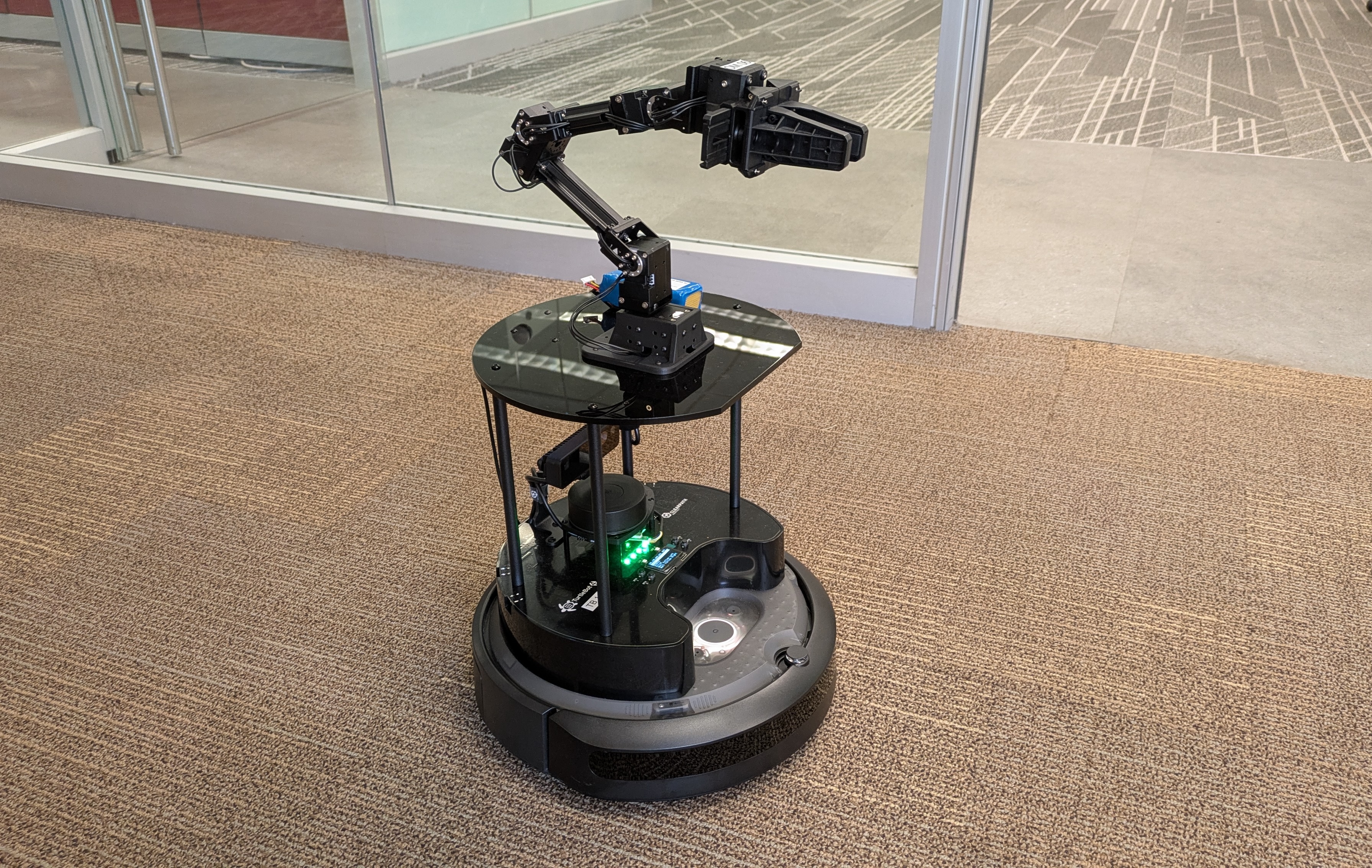
Hands-on introduction to robot programming covering sensing, sensory-motor control, state estimation, localization, kinematics, vision, and reinforcement learning. Students program physical robots across three mini-projects and one final project.

Fall 2025 · Spring 2024 · Fall 2023 · Fall 2022 · Spring 2022 · Spring 2021 · Winter 2021

Human-Robot Interaction: Research and Practice

Human-Robot Interaction: Research and Practice

Broad survey of cutting-edge HRI research and implementation of a HRI user study. Topics include nonverbal and verbal behavior, social dynamics, norms & ethics, collaboration, and real-world applications. Students lead discussions and complete a team research project.

Spring 2026 · Spring 2025 · Winter 2024 · Winter 2023 · Fall 2021 · Fall 2020

Topics in Human-Robot Interaction

Topics in Human-Robot Interaction

Seminar investigating a specific HRI research question, varying each offering. Students read, present, and write about relevant research, culminating in a final research paper.

Fall 2025

Introduction to Robot Programming and Design

Introduction to Robot Programming & Design
(6-week Summer Course for Chicago High School Students)

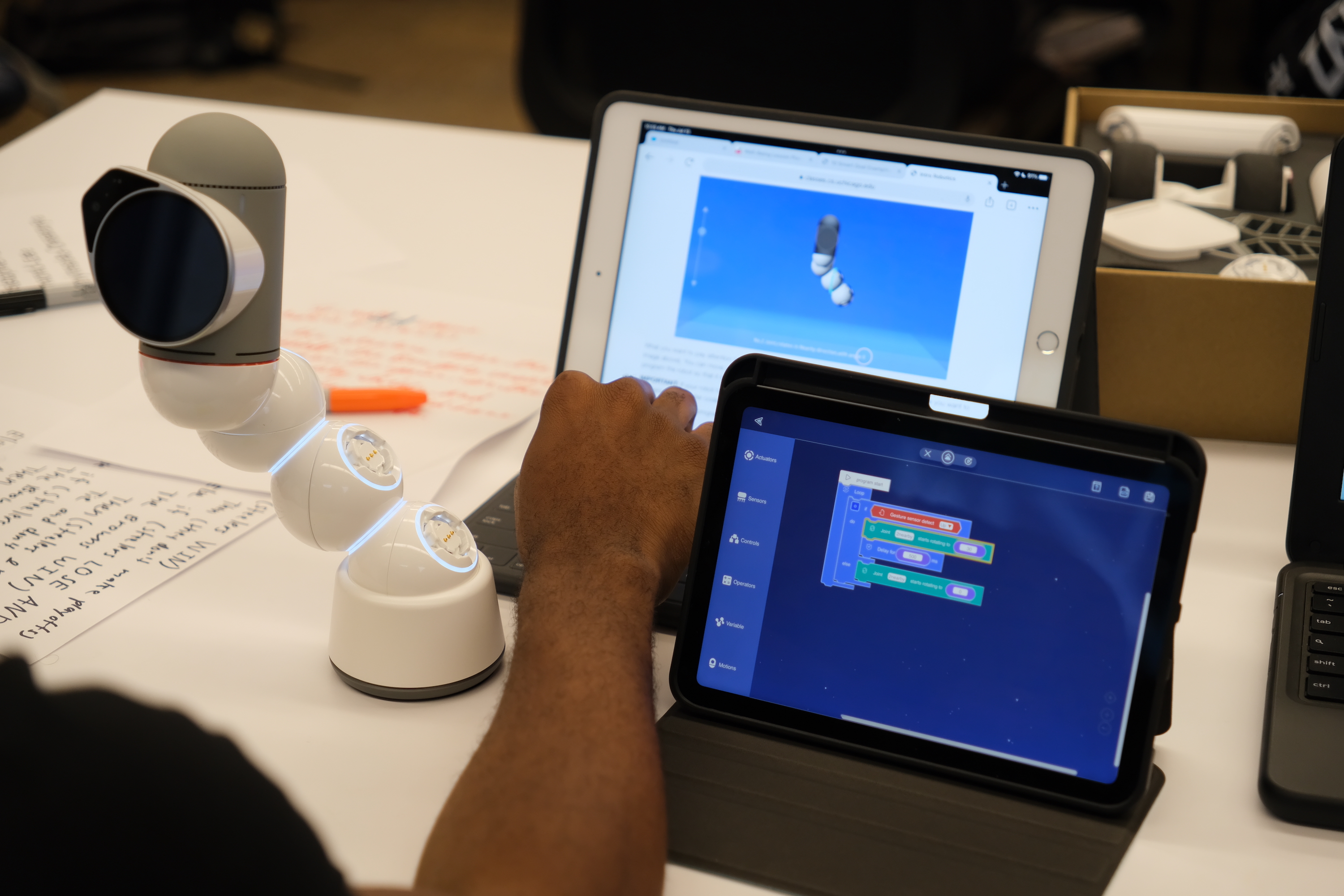
Hands-on introduction to designing and programming robots for students with little to no prior programming experience. Students build ClicBot robots, design behavior using Blockly, and complete a final collaborative project addressing a societal problem.

Summer 2025 · Summer 2024 · Summer 2023

Advising

Current Advisees